

Active Optical Cable-AOC-Cables that use external energy to convert photoelectric signals
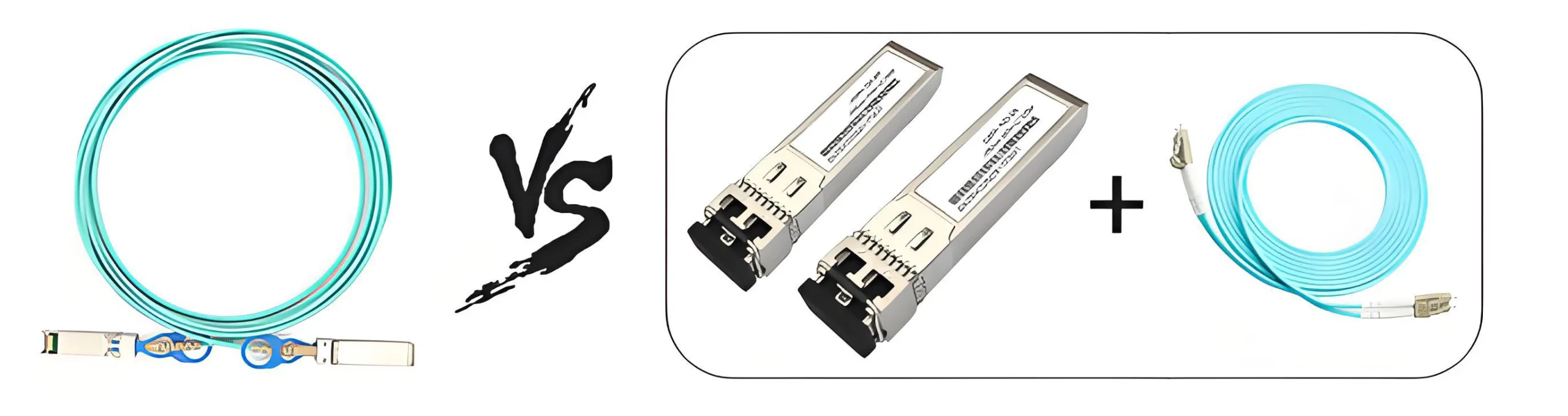
Active Optical Cable (AOC) is a communication cable that uses external energy to convert photoelectric signals. It integrates photoelectric conversion chips at both ends, organically combining optical fiber and cable to achieve long-distance, high-speed data transmission. Compared with traditional cables, active optical cables have the advantages of low power consumption, low signal attenuation, high bandwidth and anti-electromagnetic interference. They are widely used in data centers, high-definition video transmission and other fields.
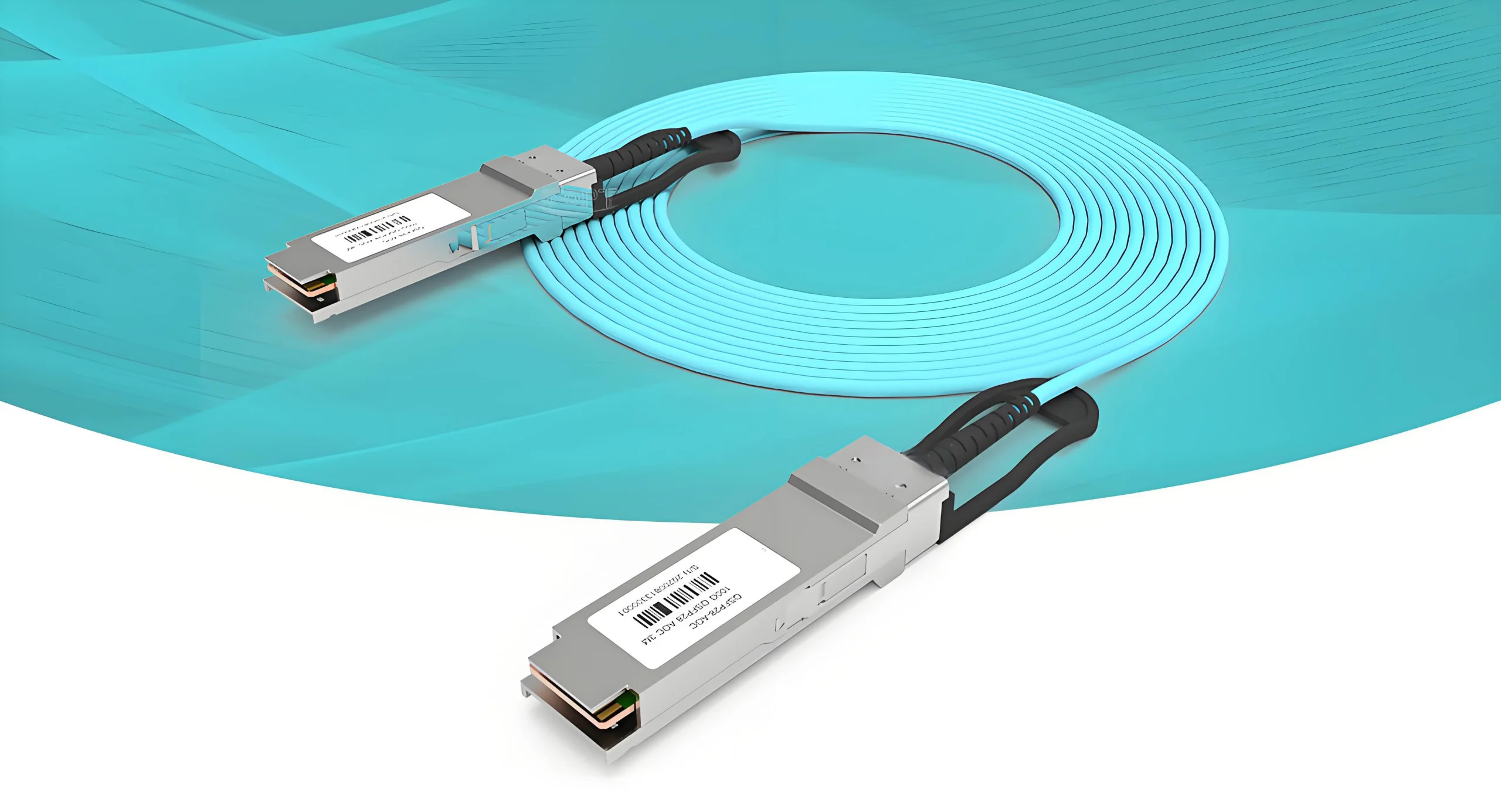
AOC Structure and Function
Active optical cables perform photoelectric conversion through optical transceivers at both ends. Built-in electro-optical chips enable mutual transformation between electrical and optical signals, ensuring efficient transmission within the fiber. As of 2016, some companies had already initiated research and development, as well as production planning, for active optical cable technology.
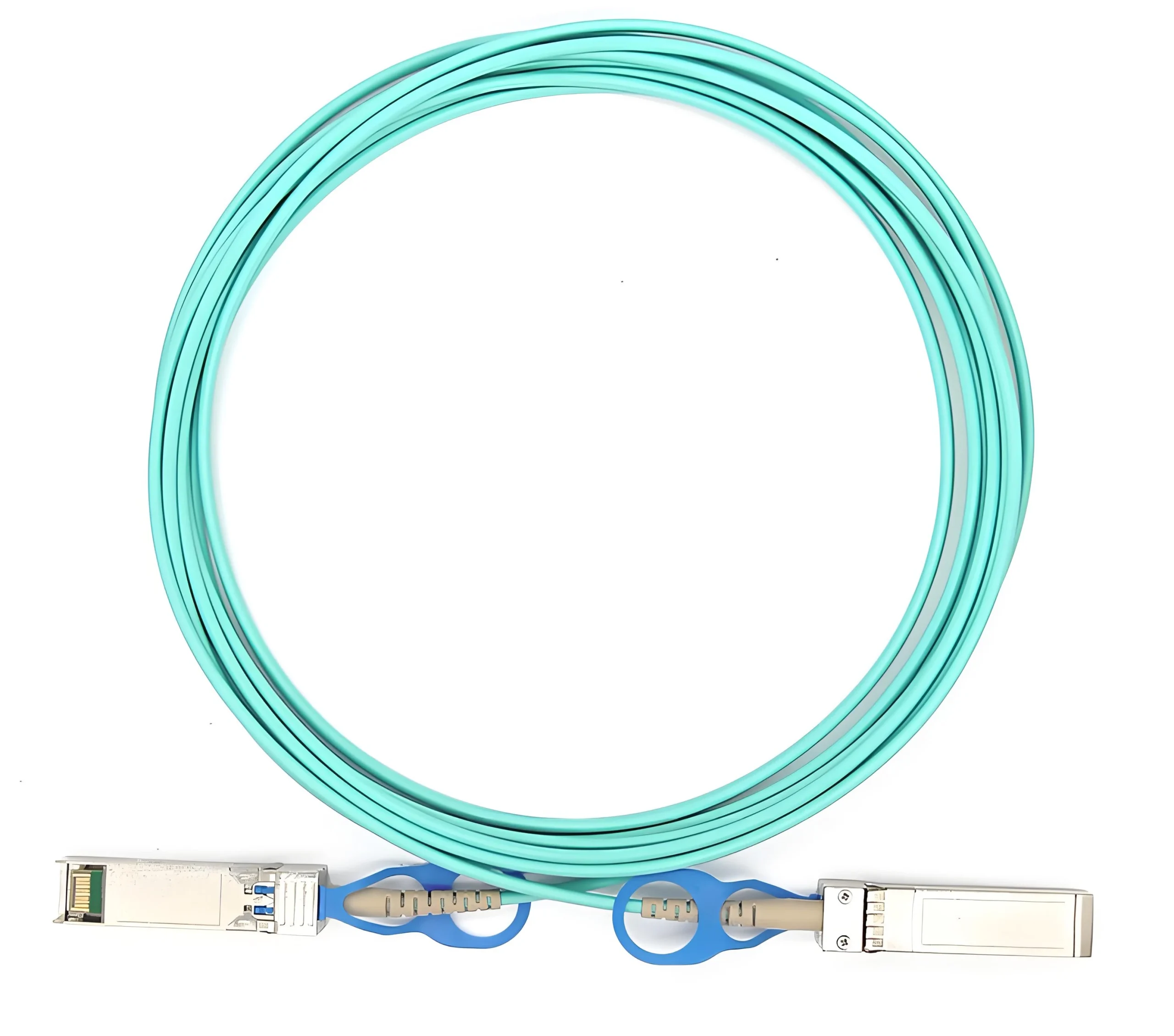
AOC Advantages
- Low power consumption: built-in chips do not require additional enhancement devices, significantly reducing energy consumption;
- Low attenuation: photoelectric conversion chips can amplify signals and reduce transmission losses;
- High bandwidth: supports high-speed data transmission to meet the needs of cloud computing and big data;
- Anti-interference: optical signal transmission is not affected by electromagnetic interference;
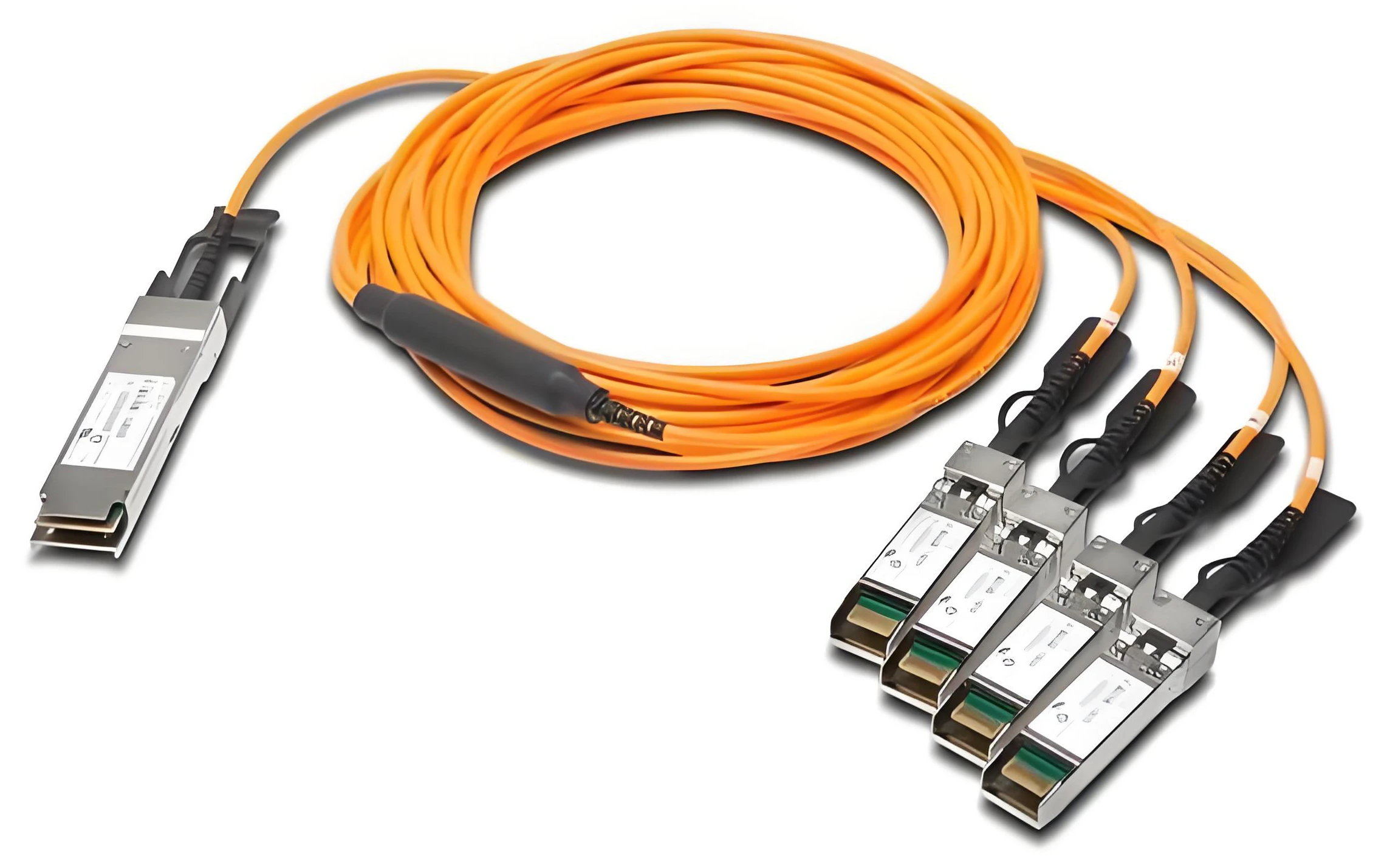
AOC Types and Applications
- The main types of active optical cables include:
- Fiber-optic HDMI cable: used for long-distance transmission of high-definition video and audio signals;
- Fiber-optic USB cable: realizes high-speed connection between computers and external devices;
- Data center interconnect cable: suitable for server clusters and storage networks.
 No products in the cart.